Pool Chemicals

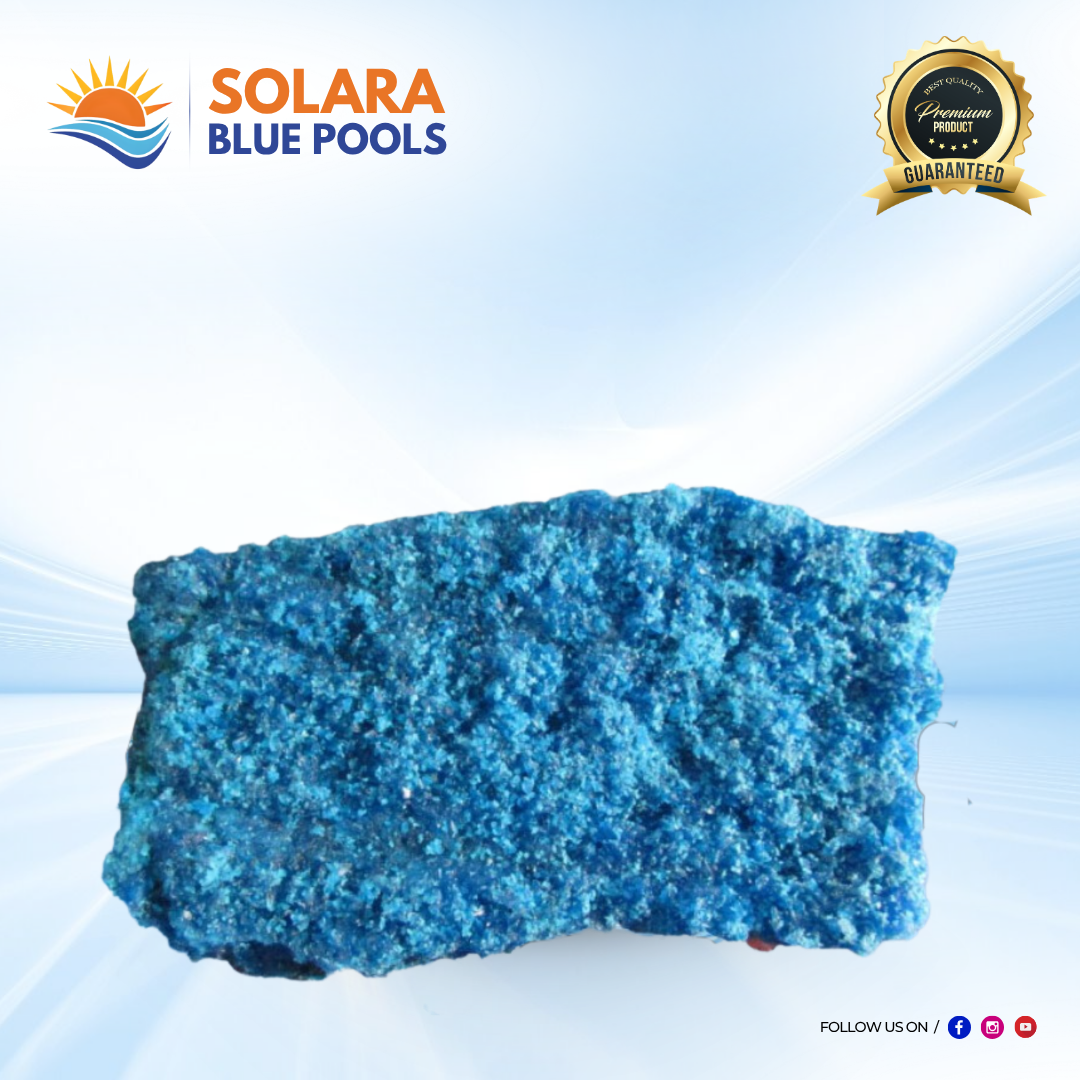
Copper Sulphate

Copper Sulphate

Melting point: 110 °CFormula: CuSO4Density: 3.6 g/cm³Soluble in: WaterClassification: SulfateCopper sulphate is a very versatile chemical with as extensive a range of uses in industry as it has in agriculture. Its principal employment is in agriculture, and, up to a generation or so ago, about its only uses in industry were as a mordant for dyeing and for electroplating. Today it is being employed in many industrial processes:USES:Preparation of Bordeaux and Burgundy mixtures for use as fungicides Manufacture of other copper fungicides such as copper-lime dust, tribasic copper sulphate, copper carbonate and cuprous oxide Manufacture of insecticides such as copper arsenite and Paris green Control of fungus diseases Correction of copper deficiency in soils Correction of copper deficiency in animals Growth stimulant for fattening pigs and broiler chickens Molluscicide for the destruction of slugs and snails, particularly the snail host of the liver flukeOTHER USES:Seed dressing Soil steriliser, e.g Cheshunt compound (a mixture of copper sulphate and ammonium carbonate) to prevent ‘damping-off’ disease of tomato etc. Control and prevention of foot rot in sheep and cattle Bacteriostat for addition to sheep dips Disinfectant in prevention of the spread of swine erysipelas and white scours in calves Control of scum in farm ponds Plant nutrient in rice fields Preservative for wooden posts, wooden buildings, etc Ingredient of vermin repellents, e.g for application to bark of trees against rabbits Stimulant of latex yield on rubber plantations Protection against algal growths on flower potsMelting point: 110 °CFormula: CuSO4Density: 3.6 g/cm³Soluble in: WaterClassification: SulfateCopper sulphate is a very versatile chemical with as extensive a range of uses in industry as it has in agriculture. Its principal employment is in agriculture, and, up to a generation or so ago, about its only uses in industry were as a mordant for dyeing and for electroplating. Today it is being employed in many industrial processes:USES:Preparation of Bordeaux and Burgundy mixtures for use as fungicides Manufacture of other copper fungicides such as copper-lime dust, tribasic copper sulphate, copper carbonate and cuprous oxide Manufacture of insecticides such as copper arsenite and Paris green Control of fungus diseases Correction of copper deficiency in soils Correction of copper deficiency in animals Growth stimulant for fattening pigs and broiler chickens Molluscicide for the destruction of slugs and snails, particularly the snail host of the liver flukeOTHER USES:Seed dressing Soil steriliser, e.g Cheshunt compound (a mixture of copper sulphate and ammonium carbonate) to prevent ‘damping-off’ disease of tomato etc. Control and prevention of foot rot in sheep and cattle Bacteriostat for addition to sheep dips Disinfectant in prevention of the spread of swine erysipelas and white scours in calves Control of scum in farm ponds Plant nutrient in rice fields Preservative for wooden posts, wooden buildings, etc Ingredient of vermin repellents, e.g for application to bark of trees against rabbits Stimulant of latex yield on rubber plantations Protection against algal growths on flower pots

View Details
SODA ASH

SODA ASH

Soda ash, also known as sodium carbonate (Na2CO3), is an alkali chemical refined from the mineral trona or naturally occurring sodium carbonate-bearing brines (both referred to as natural soda ash), the mineral nahcolite (referred to as natural sodium bicarbonate, from which soda ash can be produced), or manufactured from one of several chemical processes (referred to as synthetic soda ash).A series of refining steps are required to produce soda ash from trona ore. First the raw ore from the mine is crushed and screened. The material is then fed to rotary calciners and heated. In this process, the trona decomposes to form crude soda ash, which is dissolved in water. The insoluble shales are separated from the solution by a combination of settling and filtration steps, and the resulting insoluble tailings are taken back into the mine as backfill. The soda ash solution is treated to remove organic materials yielding a high-purity saturated solution of sodium carbonate.Next, the solution is fed to crystallizers where water is evaporated and sodium carbonate monohydrate crystals are formed. The industry-familiar term "mono-process" originates from this process step. The crystals are dewatered and washed using cyclones and centrifuges, and the solution is recycled to the evaporator units for further recovery of soda ash. The monohydrate crystals are fed to rotary kilns where they are dried to finished soda ash. Finally, product is screened and sent to storage silos awaiting rail and truck loadout.Where is it used?Soda ash has a number of diversified uses that touch our lives every day. Glass manufacturing is the largest application for soda ash whether it is in the production of containers, fiberglass insulation, or flat glass for the housing, commercial building, and automotive industries.Soda ash also is used to clean the air and soften water. As environmental concerns grow, demand increases for soda ash used in the removal of sulfur dioxide and hydrochloric acid from stack gases. Chemical producers use soda ash as an intermediate to manufacture products that sweeten soft drinks (corn sweeteners), relieve physical discomfort (sodium bicarbonate) and improve foods and toiletries (phosphates). Household detergents and paper products are a few other common examples of readily identifiable products using soda ash.RESTORE IDEAL SWIMMING CONDITIONS: Pool & Spa pH Increaser raises pH in pool water. Also known as sodium carbonate or soda ash, this product will raise a pH level under 7.2.NON-CORROSIVE GRANULAR FORMULA: Use soda ash instead of using splashy chemicals to fix pool pH. Simply measure and pour into your pool for lightning-fast pH adjustment.INCREASES CHLORINE EFFECTIVENESS: Sodium carbonate stabilizes chlorine and other pool chemicals, stopping skin and eye irritation for swimmers.PROTECTS YOUR POOL EQUIPMENT AND LINING: Pool & Spa pH Increaser stops corrosion of equipment, etching of plaster, and pool discoloration from dissolved materials30-DAY MONEY-BACK GUARANTEE:    We value our customers, and we stand behind all of our products, 100% with no questions asked. If you are not pleased, call or email us with your order number and we will reimburse you in full.

View Details